Everything About Woodworking Machinery: Maximizing Your Workshops Possible With the Right Equipment
Woodworking equipment plays an important duty in any type of workshop, influencing both the top quality of work and the efficiency of the procedure. Selecting the right devices can considerably enhance a woodworker's capacities. From stationary equipments to portable options, each kind serves a distinctive objective. Comprehending these differences is crucial. Yet, numerous woodworkers neglect important variables when choosing their devices. What factors to consider should be focused on to truly make best use of workshop possibility?
Comprehending the Different Sorts Of Woodworking Equipment
Woodworking equipment includes a large array of devices, comprehending the different kinds is important for both amateur and professional woodworkers. Various categories exist, each created for details jobs. Fixed makers like table saws, band saws, and jointers supply security and precision for larger projects. In contrast, portable devices such as jigsaws and routers offer versatility for intricate work and mobility.
In addition, there are customized equipments, consisting of lathes and planers, which accommodate certain woodworking strategies. Each type offers an one-of-a-kind objective, adding to the general efficiency and top quality of woodworking undertakings.
Comprehending these distinctions permits woodworkers to choose the best machinery for their tasks, guaranteeing optimal results. As they browse their workshop needs, knowledge with these tools enhances ability advancement and task results, ultimately cultivating a deeper appreciation for the craft of woodworking.
Crucial Devices for each Woodworker
A well-equipped workshop is crucial for any kind of woodworker aiming to attain top quality results. Fundamental devices include a table saw, which gives accuracy cuts for different materials, and a miter saw, ideal for tilted cuts in framing and molding. In addition, a bandsaw is vital for complex contours and resawing lumber, while a router permits for attractive edges and joinery job.
Hand tools additionally play a vital duty; blades, planes, and hand saws use versatility and control for thorough tasks. A drill press is essential for exact boring, while a sander assists attain a smooth surface on tasks. Safety equipment, such as goggles and ear defense, is important to shield the woodworker during operations. By having these necessary devices, a woodworker can enhance their skills and finish a selection of tasks with self-confidence and efficiency.
Choosing the Right Equipment for Your Projects
When selecting equipment for woodworking projects, it is important to consider the certain needs of each job to assure the very best outcomes. Different jobs may require various tools, such as routers, saws, or planers, depending upon the complexity and materials involved. Complex styles may benefit from a scroll saw, while larger cuts might need a table saw for effectiveness and precision.
Thinking about the range of the task is important. Enthusiasts might decide for portable tools, while professional woodworkers commonly spend in durable equipment for high-volume manufacturing. Safety and security features and ease of use need to additionally play a significant role in the decision-making process, as they contribute to a more productive and more secure working setting.

Enhancing Accuracy and Performance in Your Workshop
In the pursuit of boosted accuracy and efficiency in woodworking, understanding essential devices is crucial. Appropriate calibration techniques and normal upkeep can significantly impact the precision of machinery. By concentrating on these aspects, woodworkers can maximize their workshop performance.
Necessary Tools Summary
Woodworking equipment functions as the foundation of any kind of effective workshop, making it possible for craftsmen to attain remarkable accuracy in their tasks. Crucial tools such as table saws, jointers, and routers play an important function in shaping and refining timber products. Table saws supply straight and exact cuts, while routers include complex designs and profiles to edges. Jointers assurance monotony and straightness, allowing for seamless board assembly. Other crucial makers consist of band saws for bent cuts and pierce presses for regular hole placement. Each tool adds to making best use of efficiency, decreasing hands-on effort, and improving the general top quality of job. Spending in these essential woodworking devices is vital for any kind of craftsmen aiming to boost their workmanship and performance in the workshop environment.
Calibration Techniques Explained
Accurate calibration of woodworking equipment is crucial for attaining ideal performance and accuracy in tasks. This procedure includes changing tools to guarantee they run within defined resistances. Strategies for calibration differ based upon the kind of machinery but generally include verifying measurements versus criteria and making essential changes. Table saws require exact blade placement, while routers might require deepness settings fine-tuned. Routinely inspecting and recalibrating machinery not only improves accuracy however likewise boosts effectiveness, decreasing the risk of expensive errors. Using adjusted measuring devices, such as calipers and squares, can better assure that changes are made appropriately. Inevitably, regular calibration establishes a trustworthy operations, permitting woodworkers to concentrate on creativity and craftsmanship without compromising top quality.
Upkeep for Accuracy
Preserving woodworking machinery is crucial for attaining accuracy and efficiency in any workshop. Normal upkeep jobs, such as assessment, cleansing, and lubrication, assistance guarantee that makers operate smoothly and accurately. Dirt and particles can accumulate, influencing efficiency and resulting in mistakes in cuts. Keeping blades sharp and lined up is crucial; dull blades can cause inconsistent and tear-out results. Additionally, calibrating and checking machinery on a regular basis protects against drift, making certain that measurements hold. Operators needs to additionally check for wear and change components as essential to stay clear of bigger problems. By focusing on maintenance, woodworkers can enhance both the precision of their job and the life-span of their devices, eventually making the most of productivity and achieving top quality results.
Maintenance Tips for Longevity of Your Equipment
Correct upkeep is necessary for expanding the life expectancy of woodworking equipment. Routine cleaning methods and a consistent lubrication timetable can considerably improve performance and integrity. By sticking to these standards, operators can guarantee their equipment continues to be in prime problem for several years ahead.
Normal Cleaning Practices
Normal cleaning practices play a vital role in extending the lifespan and effectiveness of woodworking machinery. Dirt and image source debris can gather on surface areas, resulting in possible breakdowns and reduced efficiency. Operators ought to consistently evaluate and clean their devices, using a soft brush or pressed air to remove sawdust and shavings from intricate locations. Furthermore, it is crucial to clean down surfaces with a wet cloth to avoid corrosion and corrosion. Unique interest needs to be provided to the equipment's electric elements, ensuring they continue to be devoid of contaminants. Maintaining a clean work area not just boosts equipment efficiency but likewise advertises safety, decreasing the risk of crashes triggered by clutter. Constant cleansing regimens inevitably add to smoother procedures and long term tools life.
Lubrication Set Up Relevance
While drivers might concentrate on cleansing their woodworking equipment, disregarding the lubrication timetable can bring about substantial deterioration gradually. Lubrication plays a crucial function in preserving peak performance by reducing rubbing in between moving parts, which can prevent getting too hot and damages. A constant lubrication routine helps assure that equipment operates smoothly, enhancing both efficiency and long life. Operators must get in touch with the manufacturer's standards to figure out certain lubrication intervals and sorts of oils or oils required. Additionally, Find Out More checking lubricating substance degrees and checking for contaminants can additionally protect machinery from unneeded wear. By focusing on a normal lubrication regimen, drivers can substantially reduce fixing prices and expand the life expectancy of their equipment, eventually optimizing their workshop's efficiency.
Updating Your Workshop: When and Exactly how to Purchase New Tools
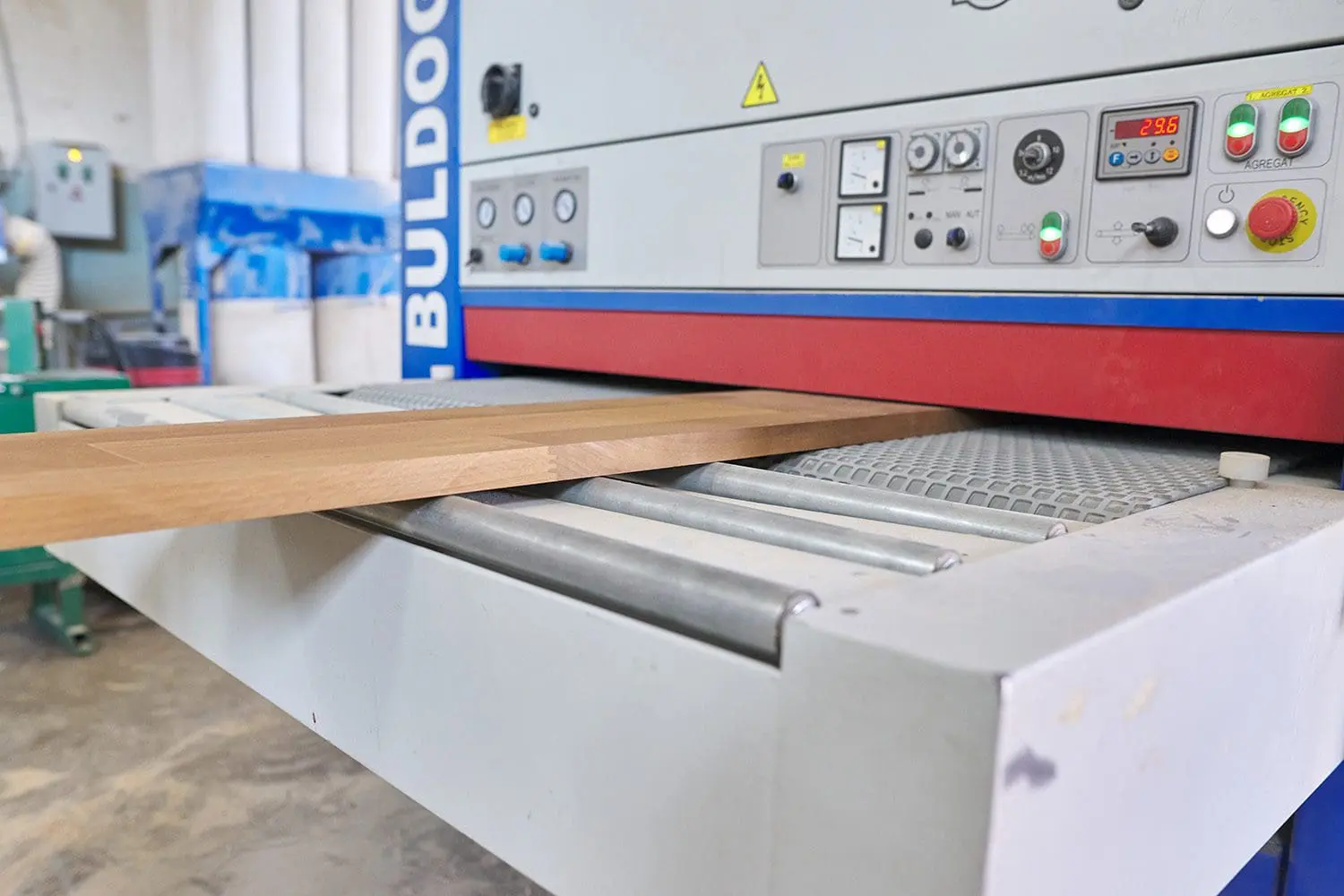
When is the correct time to spend in brand-new devices for a woodworking workshop? A woodworker must think about upgrading their devices when they notice constraints in their current tools that prevent productivity or the quality of their projects. Indicators consist of constant fixings, inadequacies, or the lack of ability to perform wanted jobs. Furthermore, if a woodworker's abilities have actually progressed beyond the capabilities of their tools, it might be time to buy new equipment.
Budget plan plays a significant role in this choice. Researching devices that supply the very best worth and durability is vital. Prioritizing crucial tools over luxury products can take full advantage of workshop potential.
Regularly Asked Inquiries
How Do I Safely Operate Woodworking Machinery?
To safely run woodworking equipment, one must wear suitable individual safety tools, recognize the machine's manual, preserve a tidy work space, maintain hands free from moving parts, and always utilize safety features given on the machinery. Wood Glue Applicators.
What Are the very best Brands for Woodworking Machinery?
Popular brands for woodworking equipment consist of Powermatic, Grizzly, Jet, DeWalt, and Bosch. Each brand is recognized for its top quality, longevity, and cutting-edge functions, catering to both specialists and enthusiasts in the woodworking community.
Can I Make Use Of Woodworking Equipment for Other Products?
Yes, woodworking machinery can often be adjusted for click this link materials like plastics or soft steels. However, customers must verify compatibility to stay clear of damage and attain optimal results, thinking about each tool's requirements and intended objective.
Exactly how Do I Deal With Machinery-Related Injuries?
To take care of machinery-related injuries, one must right away quit functioning, evaluate the injury, use emergency treatment, and seek clinical attention if needed. Reporting the occurrence and evaluating safety and security procedures is essential for protecting against future events.
What Is the Typical Lifespan of Woodworking Devices?
The average life-span of woodworking tools differs commonly, normally ranging from five to fifteen years, depending upon use, maintenance, and top quality. Proper care can substantially expand their capability and performance throughout their functional life.
Woodworking machinery encompasses a vast array of devices, comprehending the various types is crucial for both amateur and professional woodworkers - Rotary Claming System. Hobbyists may decide for portable devices, while professional woodworkers commonly invest in robust machinery for high-volume production. In the quest of boosted accuracy and efficiency in woodworking, comprehending vital devices is crucial. When is the best time to invest in new devices for a woodworking workshop? The ordinary life expectancy of woodworking tools differs commonly, generally varying from 5 to fifteen years, depending on upkeep, quality, and usage